

FHA Loans

FHA home loans are mortgage loans that are insured against default by the Federal Housing Administration (FHA). FHA loans are available for single family and multifamily homes. These home loans allow banks to continuously issue loans without much risk or capital requirements. The FHA doesn’t issue loans or set interest rates, it just guarantees against default.

FHA loans allow individuals who may not qualify for a conventional mortgage obtain a loan, especially first time home buyers. These loans offer low minimum down payments, reasonable credit expectations, and flexible income requirements.

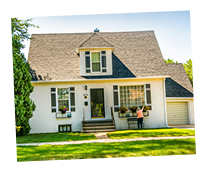
FHA home loans are mortgage loans that are insured against default by the Federal Housing Administration (FHA). FHA loans are available for single family and multifamily homes. These home loans allow banks to continuously issue loans without much risk or capital requirements. The FHA doesn’t issue loans or set interest rates, it just guarantees against default.

FHA loans allow individuals who may not qualify for a conventional mortgage obtain a loan, especially first time home buyers. These loans offer low minimum down payments, reasonable credit expectations, and flexible income requirements.

In 1934, the Federal Housing Administration (FHA) was established to improve housing standards and to provide an adequate home financing system with mortgage insurance. Now families that may have otherwise been excluded from the housing market could finally buy their dream home.

FHA does not make home loans, it insures a loan; should a homebuyer default, the lender is paid from the insurance fund.

  • Buy a house with as little as 3.5% down.
  • Ideal for the first-time homebuyers unable to make larger down payments.
  • The right mortgage solution for those who may not qualify for a conventional loan.
  • Down payment assistance programs can be added to a FHA Loan for additional down payment and/or closing cost savings.

Your loan approval depends 100% on the documentation that you provide at the time of application. You will need to give accurate information on:

Employment & Income

  • Last 2 years of tax returns and W-2s (or 1099s for contractors)
  • Most recent 2 months of pay stubs
  • For self-employed: last 3 years of business tax returns and year-to-date profit & loss

Assets & Savings

  • Last 3 months of bank statements for all accounts
  • Recent statements for retirement or investment accounts (401k, IRA, stocks, etc.)

Credit History

  • Recent bills or statements showing account balances and minimum payments
  • Landlord reference or 12 months of cancelled rent checks (if renting)
  • Bankruptcy papers (if applicable)

Personal Identification

  • Driver’s license and Social Security card
  • Divorce, alimony, or child support documentation (if applicable)
  • Green card or work permit (if applicable)

For Refinances or Rental Properties

  • Current mortgage statement or payment coupon
  • Property tax bill and homeowners insurance policy
  • Note and deed for existing loan
  • Lease agreements (if applicable)

The main difference between an FHA Loan and a Conventional Home Loan is that an FHA loan requires a lower down payment, and the credit qualifying criteria for a borrower is not as strict. This allows those without a credit history, or with minor credit problems to buy a home. FHA requires a reasonable explanation of any derogatory items, but will use common sense credit underwriting. Some borrowers, with extenuating circumstances surrounding bankruptcy discharged 3-years ago, can work around past credit problems. However, conventional financing relies heavily upon credit scoring, a rating given by a credit bureau such as Experian, Trans-Union or Equifax. If your score is below the minimum standard, you may not qualify.

Your monthly costs should not exceed 29% of your gross monthly income for a FHA Loan. Total housing costs often lumped together are referred to as PITI.

P = Principal

I = Interest

T = Taxes

I = Insurance

Examples:

Monthly Income x .29 = Maximum PITI
$3,000 x .29 = $870 Maximum PITI

Your total monthly costs, or debt to income (DTI) adding PITI and long-term debt like car loans or credit cards, should not exceed 41% of your gross monthly income.

Monthly Income x .41 = Maximum Total Monthly Costs
$3,000 x .41 = $1230
$1,230 total – $870 PITI = $360 Allowed for Monthly Long Term Debt

FHA Loan ratios are more lenient than a typical conventional loan.

Yes, generally a bankruptcy won’t preclude a borrower from obtaining an FHA Loan. Ideally, a borrower should have re-established their credit with a minimum of two credit accounts such as a car loan, or credit card. Then wait two years since the discharge of a Chapter 7 bankruptcy, or have a minimum of one year of repayment for a Chapter 13 (the borrower must seek the permission of the courts). Also, the borrower should not have any credit issues like late payments, collections, or credit charge-offs since the bankruptcy. Special exceptions can be made if a borrower has suffered through extenuating circumstances like surviving a serious medical condition, and had to declare bankruptcy because the high medical bills couldn’t be paid.

Get customized rates tailored to your mortgage needs right here, right now.
Join our happy customers and experience the difference today.

Other Loan Programs

VA Loans

The VA Loan provides veterans with a federally guaranteed home loan which requires no down…

Conventional Loans

A conventional loan is a type of loan that doesn’t have government backing or insurance,…

Jumbo Loans

Jumbo home loans are mortgage loans used to finance properties that exceed the conforming loan…
White house with orange rooftop with lawn

HELOCs

Your home is more than just a place to live. It’s also one of your…
elderly couple chatting in a kitchen

Reverse Mortgage

A reverse mortgage is a type of loan available to homeowners who are 62 years…